Government
LONG WAIT TIMES AND ALLEGED MISCONDUCT: LOS SANTOS RESIDENTS QUESTION THE POLICE DEPARTMENT

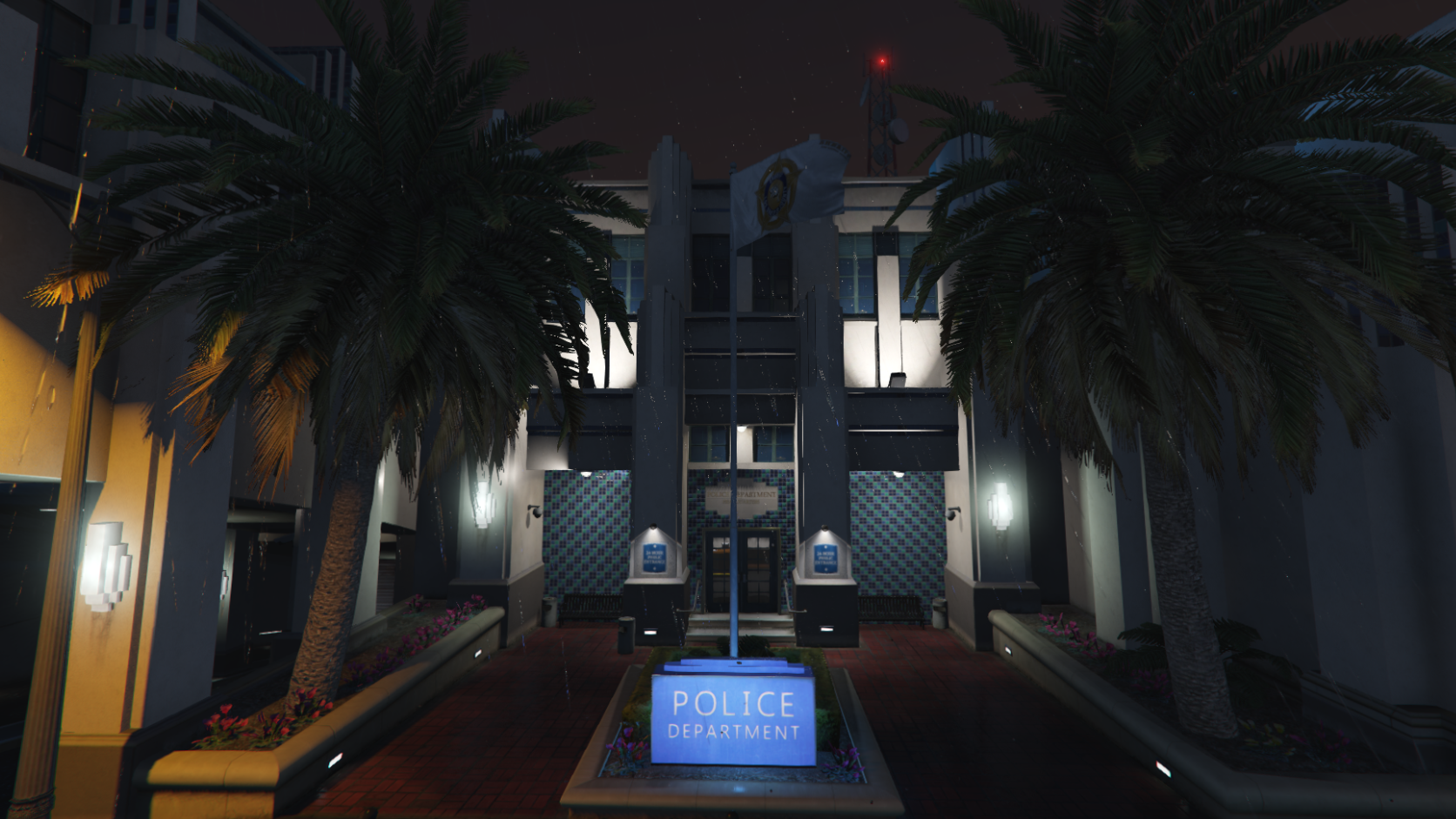
ROCKFORD HILLS, LOS SANTOS [WZL] – Recently, a growing number of Los Santos residents have raised concerns over what they describe as excessive wait times at the Police Department (PD). The issue was even brought up during the city’s latest campaign debate. However, what initially appeared to be a problem limited to wait times for firearm licenses has since developed into a broader discussion surrounding alleged corruption, potential misconduct, and the misuse of police authority.
My interest in this issue began after several friends visited the PD to apply for firearm licenses. Despite hearing multiple sirens outside on several occasions, they waited more than 30 minutes. This prompted me to investigate further. I took to Yeeter, asking residents who had experienced similar issues with PD wait times to contact me.
What I discovered raised several questions about the department’s responsiveness and its relationship with the public.
ARE SOME CITIZENS RECEIVING PREFERENTIAL TREATMENT?
One question that emerged during my investigation was whether certain residents receive faster service than others. Could personal appearance, rather than the nature of a request, influence how quickly an officer responds?
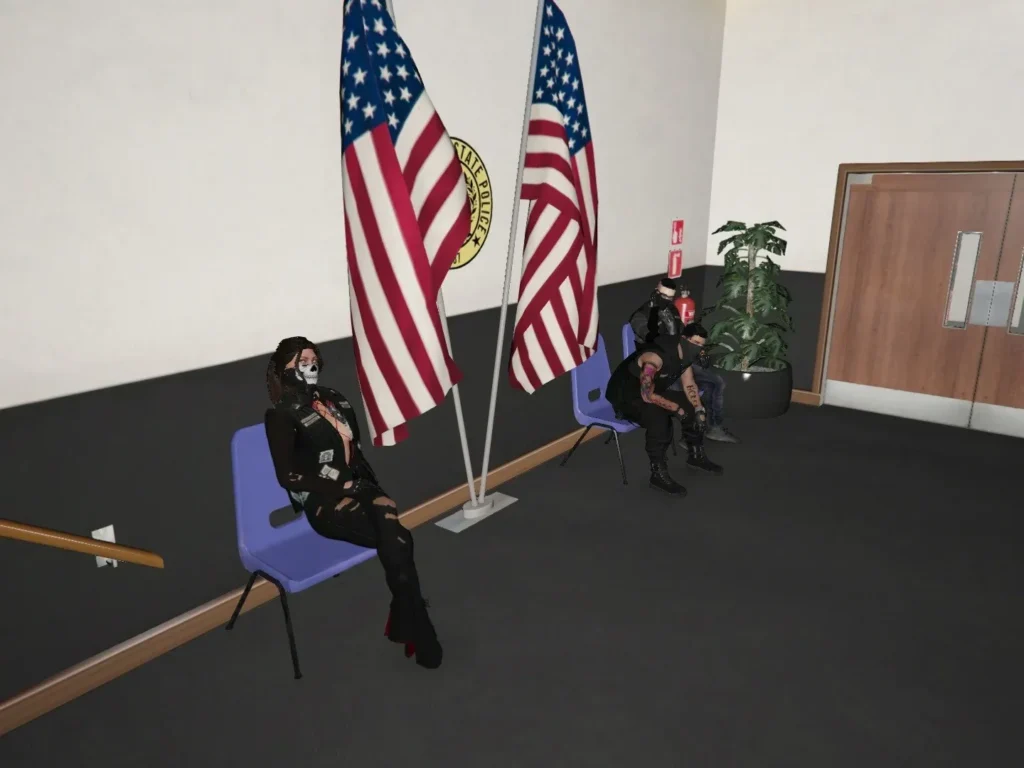
While waiting alongside several other residents who had already called 311 to request an officer for their firearm license applications, Ekaterina Morozova decided to call 311 herself and inform the department of how sexy she was. An officer arrived shortly afterward.
When asked about the situation, Morozova responded:
“I’m extremely attractive so I don’t experience any discrimination, but other people who are less lucky do, and I’m extremely sorry about that.”
While this incident alone does not establish preferential treatment, it raises questions about how the department prioritizes calls and whether it gives all residents equal consideration.
ARE OFFICERS RESPONDING TO CITIZENS’ CALLS?
Concerns about police response times appear to extend beyond firearm licenses. Oswald Morgan, a Los Santos resident, described an incident in which someone he knew struggled to get help after a vehicle theft: “A buddy of mine had his car stolen, and nobody even showed up to get his license plate, statement, etc.”
If residents struggle to get help with reported crimes, questions naturally arise about the department’s availability and how officers allocate their time.
Other residents have raised more serious allegations, including claims of intimidation and the misuse of police authority.
One resident contacted me on the condition of anonymity, citing fears of potential police retaliation. During our conversation, he described his experience attempting to report illegal activity:
“I called 311 to turn in something illegal. I waited for about an hour until a cop passed by and told me to call 311 if I wanted help. I told them I already did, and they didn’t believe me until they checked for themselves. They don’t even get their 311 calls.”
The resident also alleged that Marshals had threatened to waterboard him. These are serious allegations, and I have not independently verified them. However, the fear expressed by residents who have come forward highlights the importance of ensuring that complaints can be made safely and investigated appropriately.
CITIZENS BEGIN TAKING MATTERS INTO THEIR OWN HANDS
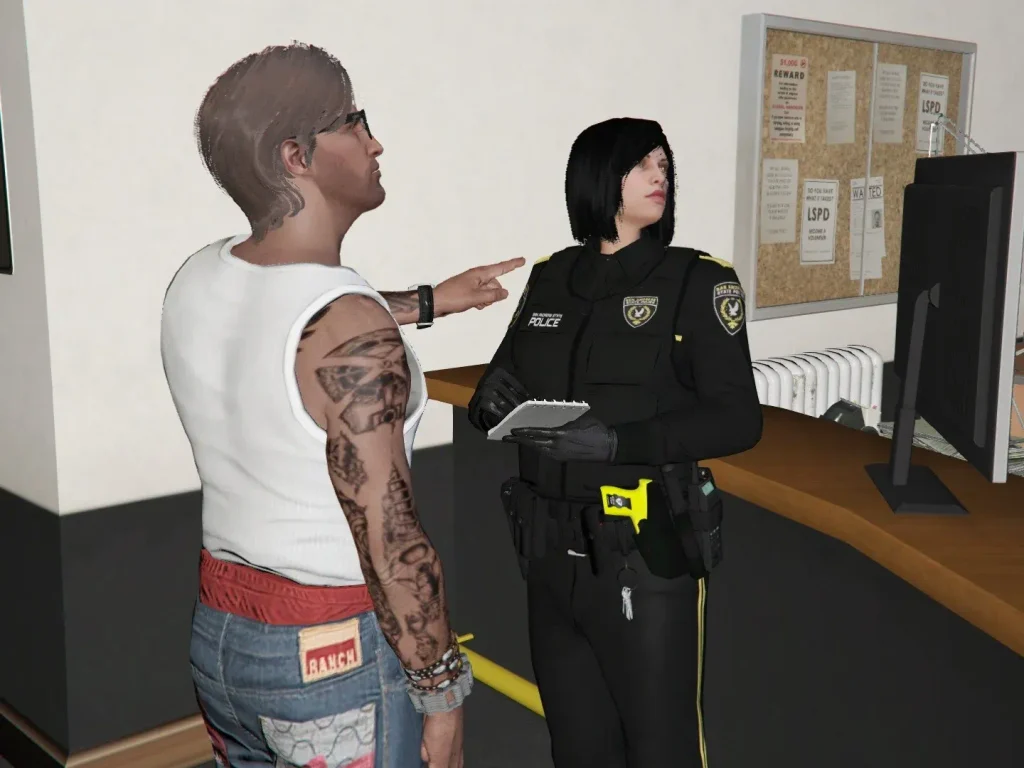
Public frustration has grown to the point that a podcast titled Pigwatch has emerged, apparently seeking to expose alleged police misconduct. I reached out to its host, Flint Griffin, to discuss the concerns he has heard from residents and his own experiences with law enforcement.
During our interview, Griffin echoed the concerns surrounding lengthy wait times. He also described witnessing a man attempting to turn himself in who allegedly had to wait two hours.
Griffin expressed his frustration with what he believes is a disconnect between the police department’s stated mission and its actions.
“The oath is to protect and serve, not just to protect. When do they serve the people?”
He also questioned whether officers focus on the city’s most pressing issues, arguing that some enforcement efforts are disproportionately directed at minor traffic violations rather than more serious criminal activity.
“Everyday that I’m in this city, I see more and more injustices take place, the police aren’t going after these hard criminals, they’re going after people who are running a red light or going 5 miles over the speed limit, and when it does come time to pull these people over, these police are just throwing their power around, and people are fearing the police.”
These concerns reflect a broader theme throughout my interviews, a lack of confidence in how some officers exercise their authority. Several individuals who spoke with me expressed concern not only for their own safety, but also for mine as a journalist investigating these allegations.
I also asked Mr.Griffin whether he had personally experienced violence involving the police. He stated that, as recently as two weeks ago, he had been T-boned by a speeding police officer who allegedly ran a red light without emergency lights activated. Griffin further claimed the officer later confronted him at a restaurant, though he didn’t provide additional details about that encounter.
These accounts have not been independently verified. Nevertheless, they raise important questions about accountability, public trust, and the procedures in place for investigating allegations against officers.
THE POLICE DEPARTMENT RESPONDS
While residents have shared their concerns, it would be unfair to publish these allegations without giving the department an opportunity to respond.
I sat down with Officer Moe Gillgully to discuss the reported wait times, staffing challenges, and allegations of misconduct.
When asked why residents were experiencing lengthy delays, Gillgully explained that officers prioritize calls based on the severity of the situation.
“There’s plenty of reasons for that. The main reason is call priority; our main priority are crimes that are a threat to individuals. If we’re not available, we’ll always encourage people to come back later in the day or another day. I would love if more people knew that the judiciary are also able to issue gun licenses.”
Gillgully’s response suggests the department’s call-prioritization system may explain some of the delays residents have experienced. He also pointed out that residents seeking firearm licenses have an alternative through the judiciary.
However, this raises another question: Is the department adequately staffed to handle both emergency calls and routine public services?
When asked whether staffing shortages were contributing to the delays, Gillgully acknowledged that the department does experience periods when it cannot adequately meet demand.
“We’re always intending to hire more, we’re intending to open our applications again. We’re always training new people, but there are times when we’re understaffed, and we’re completely unavailable due to being understaffed.”
Finally, I asked Gillgully about the allegations of police violence and the misuse of authority raised by residents throughout my investigation.
“We have heard no reports within my recent knowledge, so months likely, of this happening. They are welcome to come to our internal affairs member that is in the lobby of our police departments.”
Gillgully’s response emphasized that residents can bring their concerns to an Internal Affairs representative. However, his statement does not address the individual allegations raised during my interviews, and it remains unclear whether the department has formally investigated the reported incidents.
WHAT COMES NEXT FOR LOS SANTOS?
After speaking with residents, podcast host Flint Griffin, and Officer Moe Gillgully, one thing is clear: a significant divide exists between how some citizens perceive the police department and how the department describes its own operations.
The PD maintains that call prioritization and staffing shortages contribute to delays, while residents have described experiences that have left them feeling ignored, frustrated, and, in some cases, afraid to speak out.
It is important to distinguish between allegations and verified facts. The accounts gathered for this article do not, on their own, establish corruption or prove that officers are deliberately neglecting their duties. However, the number and seriousness of the concerns raised warrant further questions about transparency, accountability, and public access to police services.
In my view, the department would benefit from greater scrutiny of its response procedures, clearer communication with residents, and continued training to ensure that officers understand both their responsibilities and the importance of public trust. Allegations of misconduct should also be taken seriously and investigated through appropriate channels.
The people of Los Santos deserve to know that when they call for help, their concerns will be heard and their reports handled appropriately.
These interviews have been enlightening, and I hope they encourage residents and officials alike to take a closer look at the relationship between the police and the people they serve.
Until next time, this is Nancy Whitmore, signing off.



LONG WAIT TIMES AND ALLEGED MISCONDUCT: LOS SANTOS RESIDENTS QUESTION THE POLICE DEPARTMENT
ROCKFORD HILLS, LOS SANTOS [WZL] – Recently, a growing number of Los Santos residents have raised concerns over what they...


GO VOTE! – Winter 2026 General Election Polls Open
LOS SANTOS, SAN ANDREAS [WZL] – Attention, San Andreas! The Winter 2026 Election voting period has officially begun! From now...


The Gubernatorial Debate Puts Public Safety, Accountability, and Community First Above All
VINEWOOD HILLS, SAN ANDREAS [WZL] – With polls opening this Friday, October 23 at 2pm EST, candidates gathered for a...
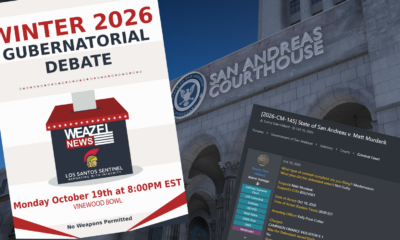

The Race Goes On: Debates, Responses, and a Candidate in Court
LOS SANTOS, SAN ANDREAS [WZL] – Cozy up, the Winter 2026 Election moves forward with new dates. The first of...


No Tricks, Just Tracks: Dept. 25’s Silly Spooky Song Challenge
POV: It’s Spooky Season in San Andreas. Witches, nurses, prisoners, and the like wander the streets. But one challenge stands...


President Viktor D Major Announces Major Reorg of Legislative Governance For San Andreas
President Viktor D Major issued a press release late this afternoon announcing a significant change to the San Andreas Executive....
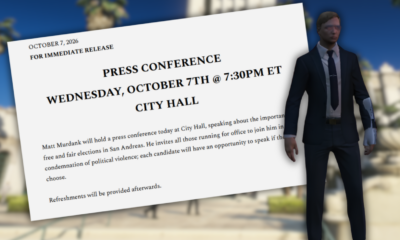

Gubernatorial Candidate Matt Murdank Alleges Assassination Attempts, Condemns Political Violence
BURTON, SAN ANDREAS (WZL) – As San Andreas prepares for its Winter 2026 election, gubernatorial candidate Matt Murdank held a...


Step Up, San Andreas: Winter 2026 Election Registration Is Open
ROCKFORD HILLS, LOS SANTOS (WZL) – Attention San Andreas! The election season is returning to San Andreas as the state...


Chonkstagram Volume 1
Welcome to Chonkstagram, a new running series that spotlights the state’s chonkers. Each month, we will be bringing you insight...

Mirror Park HOA Puts Local Mechanic Shop on Blocks
MIRROR PARK – The Mirror Park mechanic garage, now named Kansei Speed Shop, may know how to lift a car,...
-
Business3 weeks ago
Mirror Park HOA Puts Local Mechanic Shop on Blocks
-
Politics3 weeks ago
Step Up, San Andreas: Winter 2026 Election Registration Is Open
-
Chonkstagram3 weeks ago
Chonkstagram Volume 1
-
Politics2 weeks ago
Gubernatorial Candidate Matt Murdank Alleges Assassination Attempts, Condemns Political Violence